
To Hell With Statistics: Choosing Possibility Over Fear
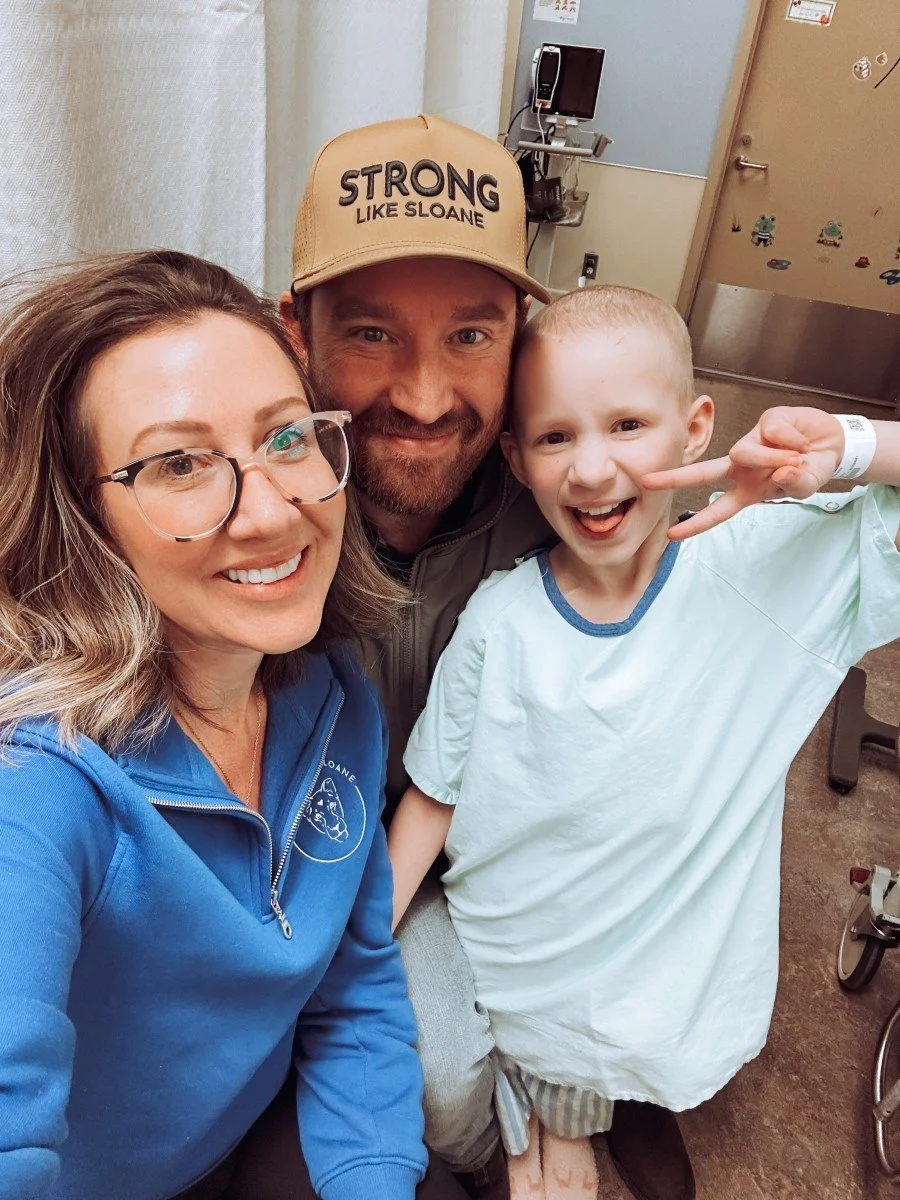
We’re at the Alberta Children’s Hospital, waiting for my daughter to come out of surgery to have her central line removed.
This isn’t our first time here. We’ve been in this room before, feeling that nervous mix of excitement and relief, hoping that something we’ve endured for so long is finally behind us.
After six months without her central line, Sloane relapsed. Back into treatment. A new line put in place.
Now, with Sloane back in remission, there is so much to be grateful for.
I could be scared. I could be pessimistic. I could live in the “what ifs.” What if we’re back here again someday, putting in another central line?
With statistics stacked against us, I would not be wrong for thinking that way.
But instead, I’ve chosen a different mindset:
What if it all works out?
Writing Your Own Story
This is a reminder that you are allowed to write your own story—in life and in business.
I try not to get hung up on statistics. For my daughter, the numbers after relapse can feel grim. But here’s the thing: Sloane can be in that 10 percent. Numbers exist for a reason, both good and bad.
And that’s exactly the lesson for business and leadership. Yes, planning and strategy often rely on data, trends, and probabilities. Yes, forecasts exist for a reason. But if we let numbers dictate what’s possible, we miss out on the power of choice, action, and belief.
The Power of Choice Over Probability
In life and in business, we always have a choice. We can focus on fear, the statistics, the probabilities stacked against us. Or we can choose to act, to create, to believe in a different outcome.
What if we trusted our gut?
What if we took control of our actions?
What if we believed that our story can turn out differently?
Choosing possibility over fear doesn’t mean ignoring risk. It means refusing to let fear control our next move.
Resilience Isn’t About Ignoring the Hard Things
We all face challenges—some small, some life-changing. I’ve learned that resilience isn’t about pretending things are easy. It’s about leaning in, taking action, and refusing to let statistics or odds define your narrative.
When Sloane’s relapse happened, it could have been easy to focus on the worst-case scenarios. Instead, I chose to focus on what we can do: support her treatment, take care of ourselves, and trust that positive outcomes are possible.
In business, the lesson is the same. Challenges will always exist—market fluctuations, unexpected setbacks, difficult conversations—but your mindset can shift the possibilities. Choosing to act despite uncertainty often leads to breakthroughs others thought impossible.
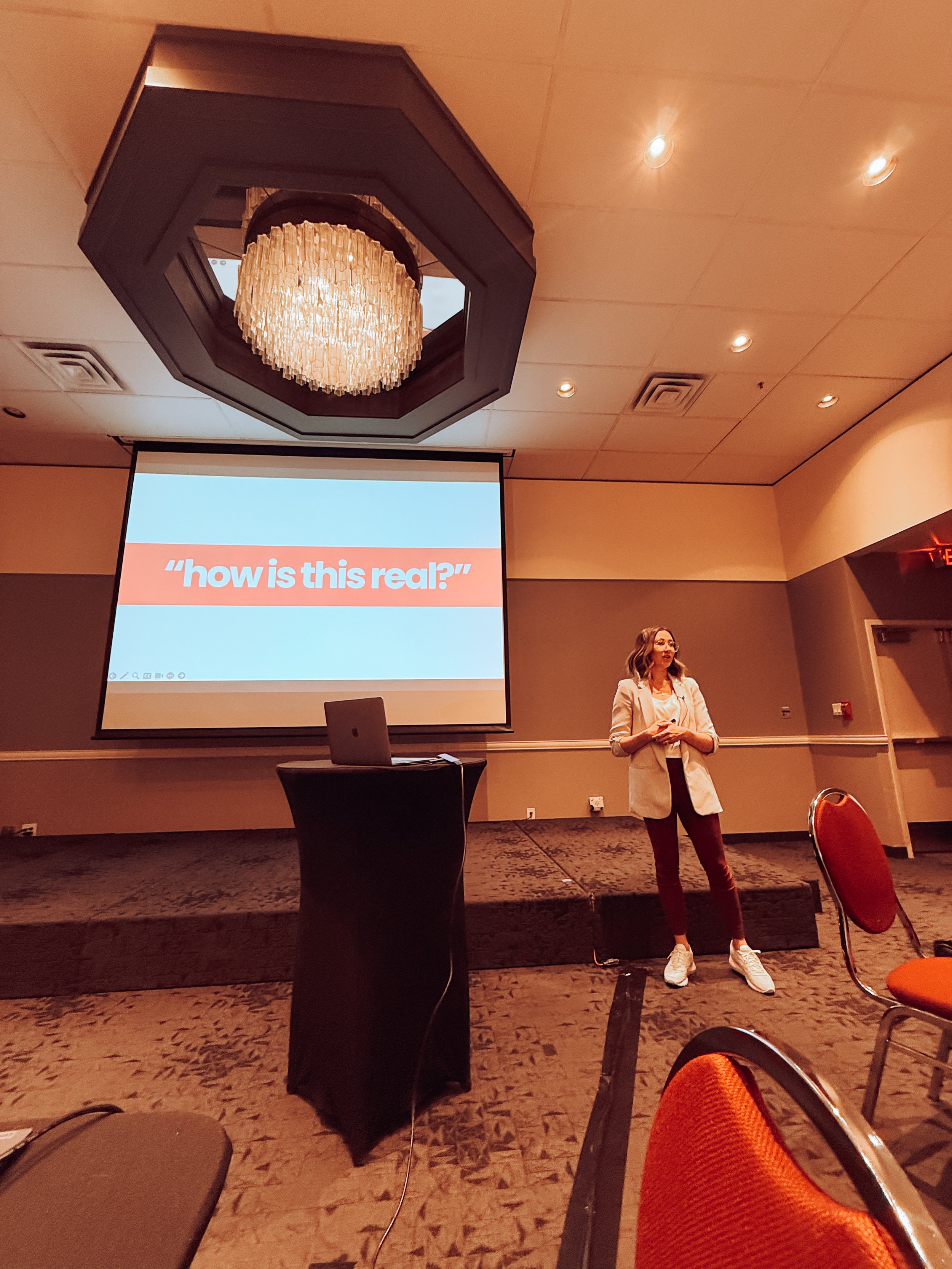
Lessons from the Hospital to the Boardroom
Here are a few reflections I hope resonate, whether you’re facing personal or professional challenges:
Statistics don’t define your story. Numbers are data, not destiny. Choose to act in ways that align with possibility, not fear.
Focus on what you can control. You can’t always control outcomes, but you can control your actions, your effort, and your mindset.
Take small steps forward. Even tiny progress builds momentum and reduces the weight of fear.
Believe in the 10 percent. The improbable happens all the time—don’t let odds prevent you from trying.
Your mindset is powerful. Choosing to focus on possibility gives you clarity, energy, and resilience.
To Hell With Statistics
Life will always throw numbers, probabilities, and “what ifs” at us. And yes, we should plan. We should strategize. We should prepare. But we should never allow statistics to dictate our belief in what’s possible.
Sloane can be in that 10 percent. And so can your next big idea, your next career move, or the next challenge your team faces.
To hell with statistics. Believe in possibility. Act boldly. And write your own story.
Strong doesn’t mean doing it alone.
If you’re looking for a keynote that strengthens resilience, leadership, and high-performing teams in hard seasons, let’s connect.