I Almost Stayed Home (And I’m So Glad I Didn’t)
Last night, I almost stayed home. I was tired — the kind of tired that isn’t just physical. My body could have gone through the motions, but my brain was already in sweatpants, and my heart was begging for quiet.
Earlier that day, I’d been listening to a Diary of a CEO episode where Steven Bartlett talked about something that stuck with me: most opportunities in life come from relationships. Your “lucky break” or next big opportunity usually comes from someone you meet, email, or connect with online.
I believe that. I know that. And still… I didn’t want to go. I was dreading social interaction. I didn’t feel like making small talk. Walking into a room where everyone seems energized while you’re counting down the minutes until you can leave? That felt exhausting.
But I went anyway. I attended the MPI Greater Calgary Club holiday party, and later headed to a work dinner with my husband. And I’m so glad I did.

The Part That Might Surprise You
Even though I’m a speaker — someone who literally stands on stages for a living — I’ve become more introverted over the last few years. Not in a “I don’t like people” kind of way, but in a “I don’t have the energy for surface-level conversations the way I used to” kind of way.
If you ever meet me in a big group, don’t be surprised if I skip the small talk and go straight to the real stuff. Deep, meaningful conversations with a small circle of people? That’s my comfort zone. A crowded room where you’re bouncing between ten conversations that all start with “So, what do you do?”… that’s different.
Last night reminded me of something important: showing up matters — even when it’s uncomfortable. Even when staying home feels easier.
The Truth About Opportunities
We love the idea of opportunities — the doors opening, the lucky break. But the part we don’t always talk about is the cost of those opportunities. Sometimes it’s putting on real clothes when you don’t want to, walking into a room when you’d rather disappear, introducing yourself when you’re already depleted, or staying five more minutes when your nervous system is done. It’s easy to romanticize connection, but connection requires energy.
And in the season of life many of us are in right now, energy feels like a limited resource. That’s why showing up — even when it’s hard — is actually a leadership skill. Because leadership isn’t only about what happens in boardrooms or meetings. Leadership is also about choosing connection when you’d rather isolate, about remembering that people matter even when you’re tired. The best leaders don’t just build strategy. They build community. And community is what holds people together when the pressure rises.
Every Conversation Has Potential
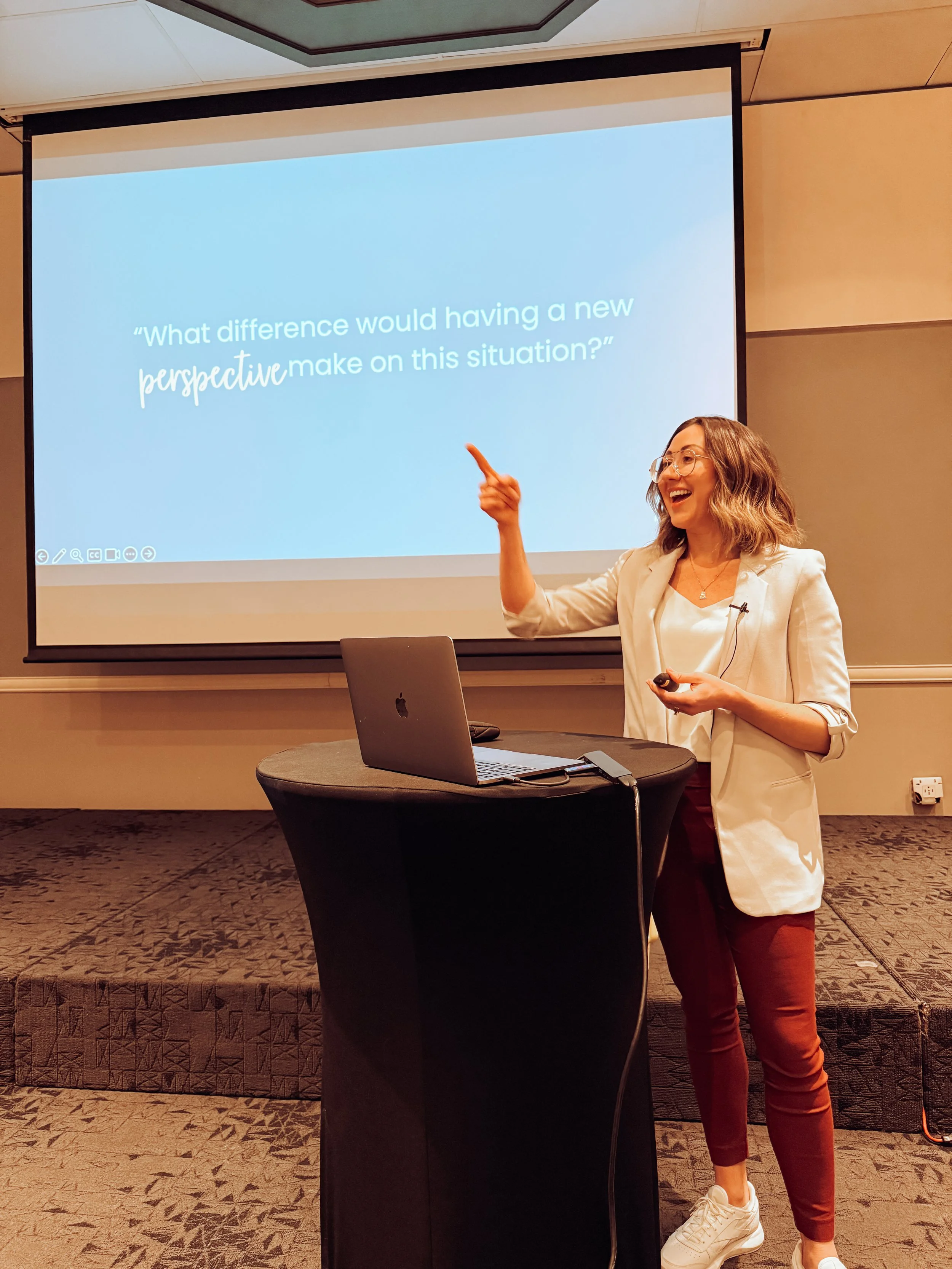
Last night reminded me that every conversation, connection, or email has the potential to change something — your perspective, your path, your confidence, or even someone else’s life. Sometimes the biggest impact doesn’t come from a “perfect” conversation. It comes from the fact that you were simply there, present, and willing — even if you were tired.
If you’ve felt yourself pulling away lately, if you’ve been saying “no” to everything because life is heavy, here’s your nudge: connect, even when you’re tired. Show up, even when it feels easier not to. Not because you need to perform, but because you never know who might be part of your next big break, or who might need you to be part of theirs.
The Version of “Showing Up” That Counts
Showing up doesn’t have to mean being the loudest person in the room. It can look like having one meaningful conversation instead of ten shallow ones, asking one good question, checking in with someone you haven’t talked to in a while, sending a quick message after the event, or choosing connection over comfort — one step at a time. You don’t have to become an extrovert to build relationships. You just have to stay open to the possibility that something good can come from a simple moment of connection.
Because it can. And it does.
Strong doesn’t mean doing it alone.
If you’re looking for a keynote that strengthens resilience, leadership, and high-performing teams in hard seasons, let’s connect.