
I Thought Imposter Syndrome Was a Work Problem — Until Life Proved Me Wrong
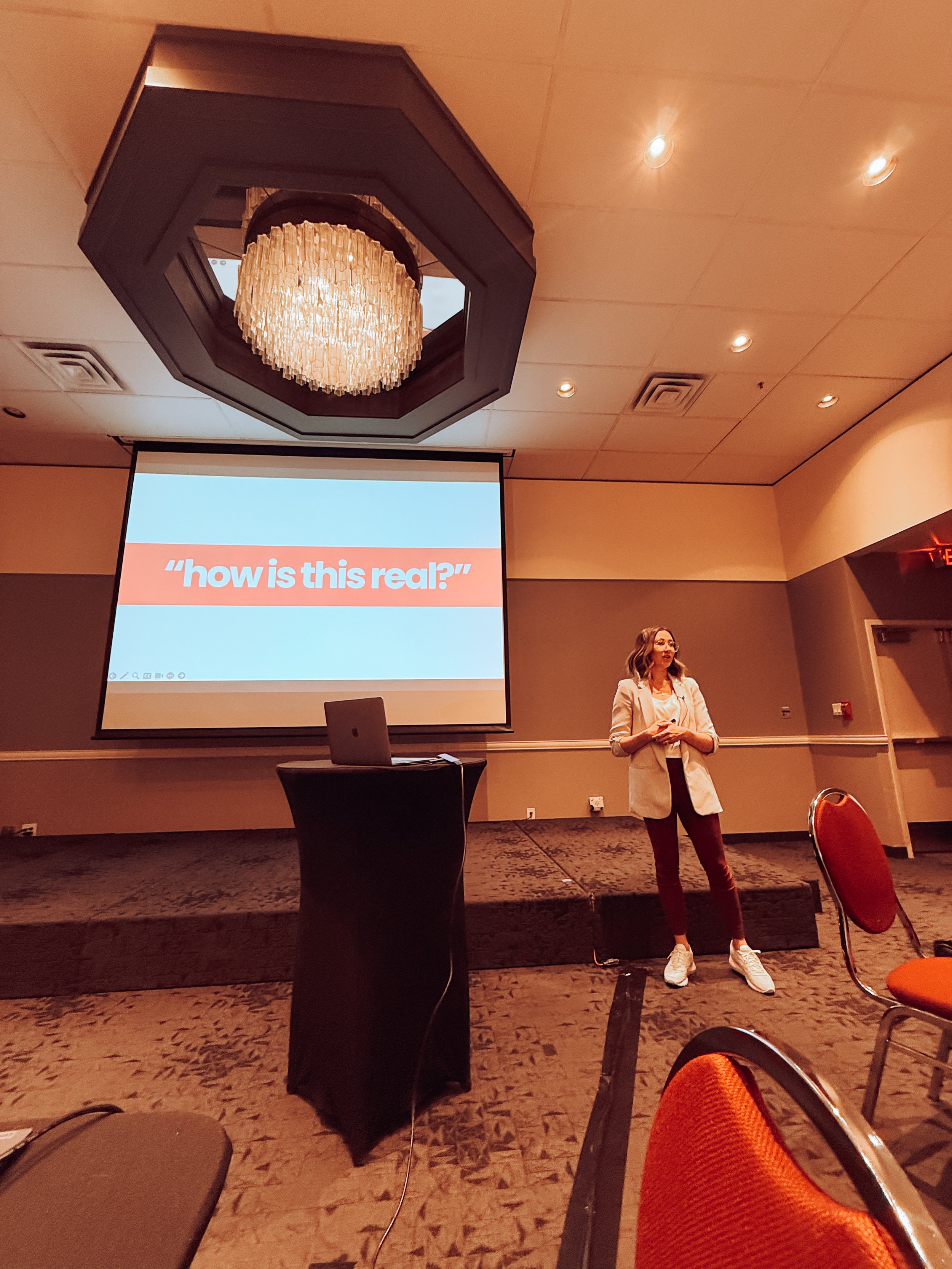
For years, I carried imposter syndrome, especially in my career.
“I’m not qualified to be the Director of Marketing and Communications for Canada’s largest geomatics firm.”
“I’m not qualified to lead a national marketing campaign during a global pandemic.”
I worked late nights, constantly trying to prove I deserved the role I already had. I thought if I worked hard enough, pushed myself far enough, maybe I could quiet the voice inside that whispered, you’re not enough.
But life has a way of teaching lessons you never see coming.
When Imposter Syndrome Became Something Deeper
Then my daughter was diagnosed with stage 4 cancer. Suddenly, imposter syndrome wasn’t about work anymore—it was about life.
“I’m acting like I’m okay. Like I can handle this. But I can’t. And eventually people will see that.”
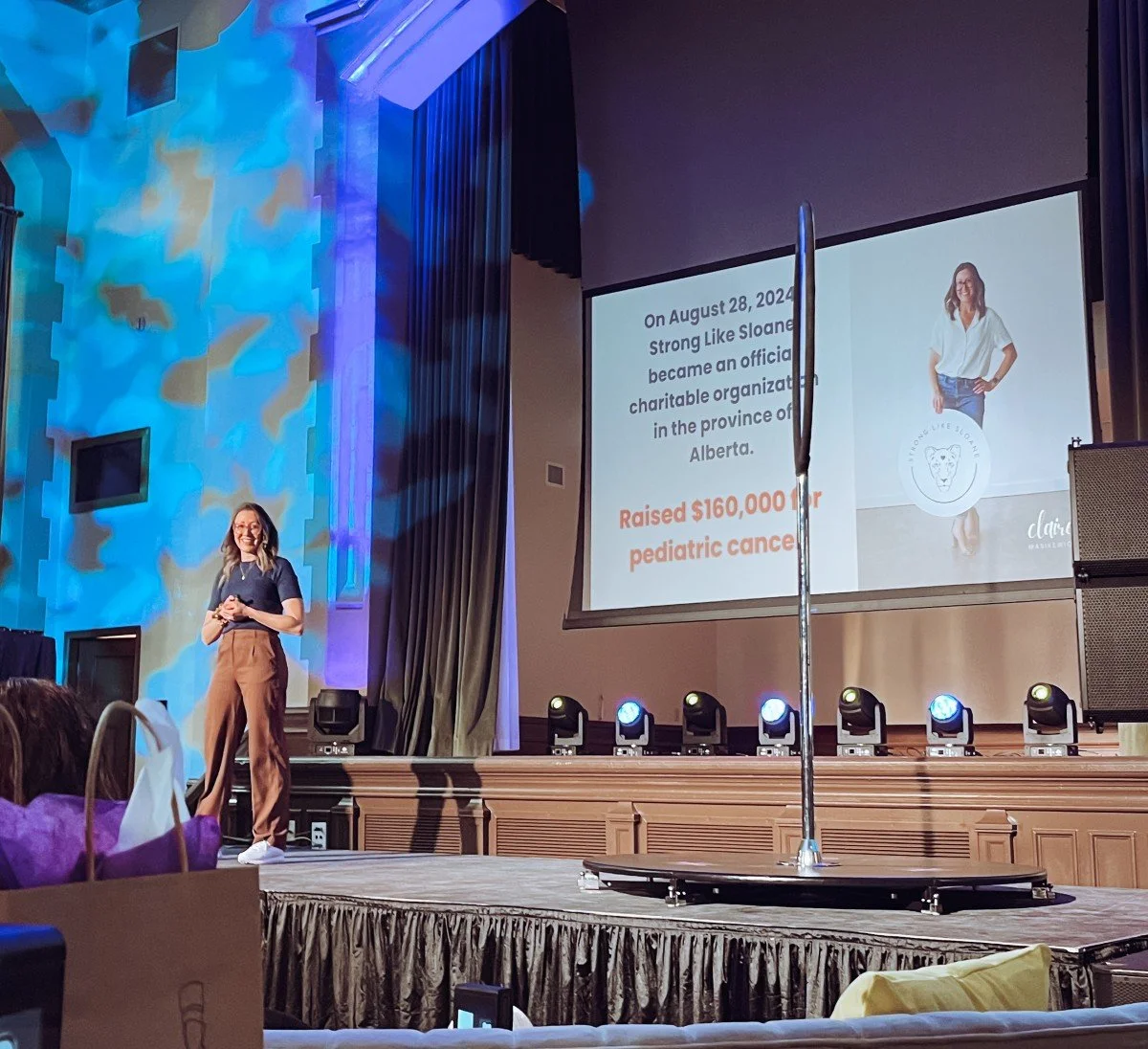
The fear, the pressure, the heartbreak—it was overwhelming. And for the first time, I realized that the strategies I had used at work wouldn’t carry me through this.
Writing as a Lifeline
What helped me move through the fear was writing. Short notes in my phone slowly became a record of my thoughts, fears, and lessons learned. Over time, those notes evolved into a keynote—a keynote I believed I wasn’t qualified to deliver.
But here’s what finally clicked: lived experience is a qualification. Resilience is not theoretical—it is learned by walking directly through the hardest chapters of life.
Resilience Is Not Exclusive
Most people understand that resilience exists, in theory. But one comment during that time stayed with me:
“In my opinion, Sloane’s the resilient one.”
She absolutely is. But resilience is not exclusive. It is something we model, practice, and pass on. It’s not about being “the strongest”—it’s about showing up, even when it’s hard, and helping others do the same.
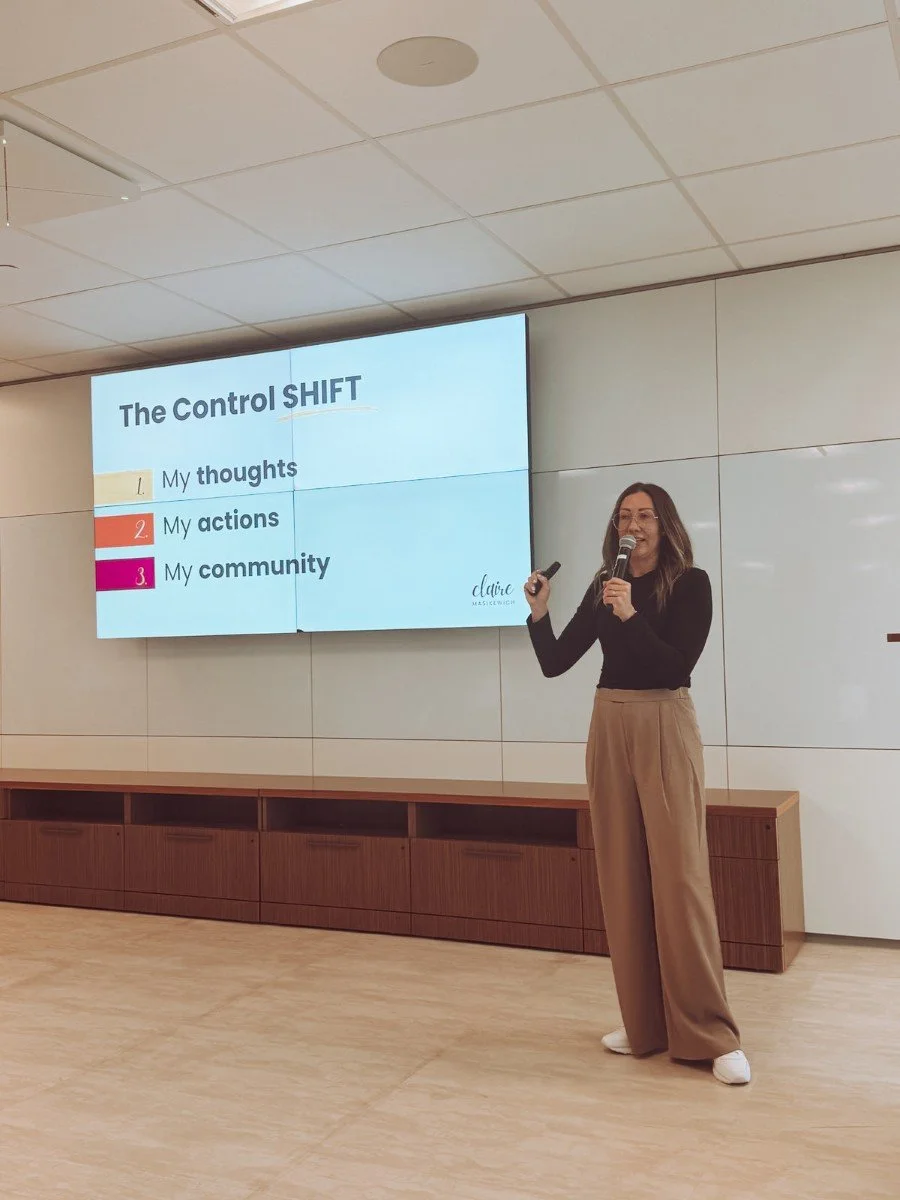
Lessons I Learned About Imposter Syndrome and Resilience
Here are a few lessons I hope others can take away from my experience:
Lived experience matters. You don’t need someone else’s permission to be an expert in your own life.
Resilience is learned, not innate. You build it by walking through challenges, not avoiding them.
Sharing your story has power. Vulnerability creates connection—and can inspire someone you may never meet.
Imposter syndrome isn’t limited to work. Life’s toughest seasons can trigger it in unexpected ways.
Moving Forward
If sharing my story makes an impact on even one person, then the work matters.
As I look ahead to 2026, I am continuing to step fully into this space and bring these conversations to the stage. Because the truth is, resilience grows when it’s shared—and that’s a lesson I want to help others experience.
Strong doesn’t mean doing it alone.
If you’re looking for a keynote that strengthens resilience, leadership, and high-performing teams in hard seasons, let’s connect.